
The Story of Nungua Nii Odaiteitse We
A lineage of strength,wusdom,and unity – rooted in the heart of Nungua, Ghana.
OUR HERITAGE
WHERE WE BEGAN
From the Shores of Nungua
The Nungua Nii Odaitseitwe We family traces its origins to the historic coastal town of Nungua, in the Greater Accra Region of Ghana. Our ancestors were among the founding families of this vibrant community — fishermen, traders, and leaders who shaped the social and cultural fabric of Nungua for centuries.
The name ‘Odaitseitwe We’ carries deep meaning in the Ga language — a declaration of family identity, pride, and belonging. It is a name spoken with reverence at every gathering, ceremony, and rite of passage, binding each generation to those who came before.
From these humble yet dignified beginnings, the family grew — spreading across Ghana and beyond, yet always maintaining the bonds of kinship, tradition, and mutual support that define who we are.
OUR BRANCHES
From Nungua to Teshie and La
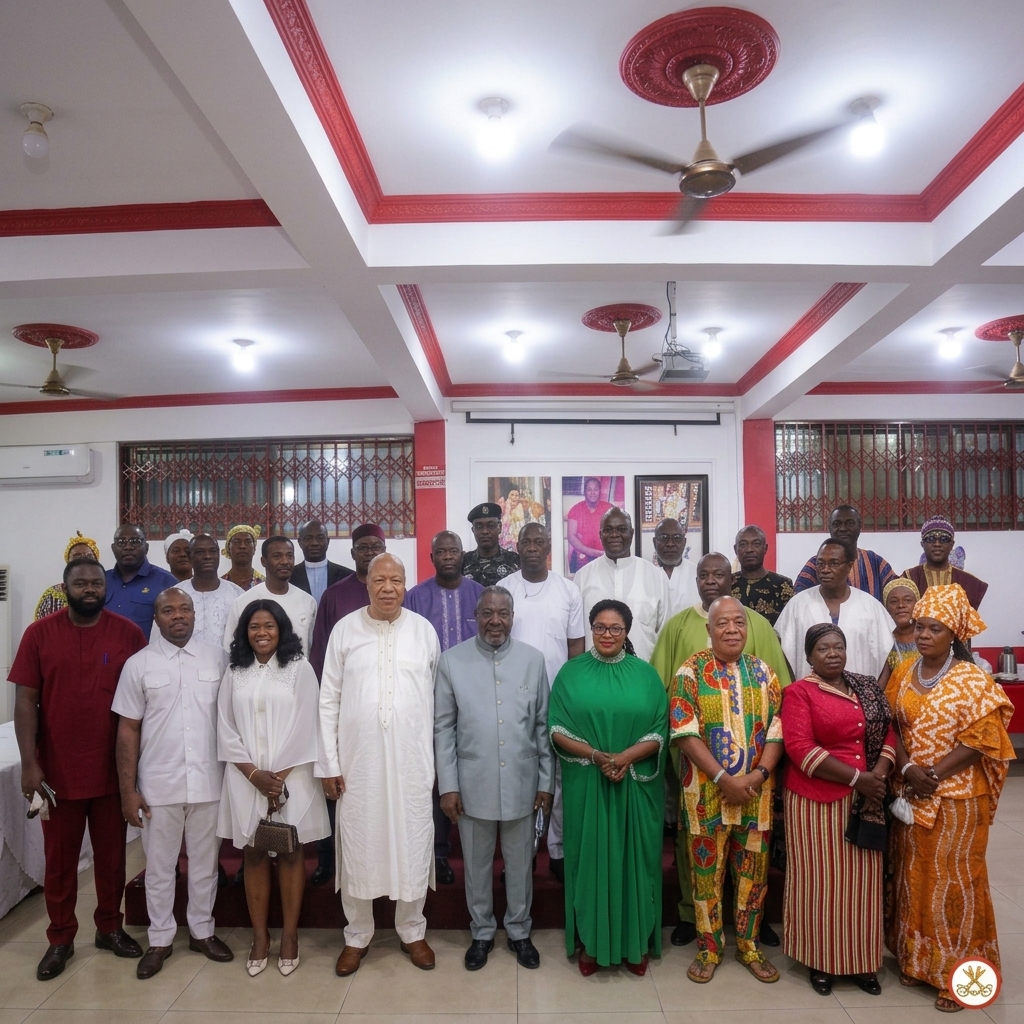
The Nungua Nii Odaiteitse We is the main clan house, from which other branches were established in Teshie and La.
Teshie Nii Odaiteitse We trace its roots to the Nungua Nii Odaiteitse We. The Nungua house, as the main body and clan house, provided the Teshie branch with its settlement and land.
Teshie Abli We was also founded from the Nungua Nii Odaiteitse We, further extending the family’s presence in Teshie.
Descendants of Nungua Nii Odaiteitse We also settled in La, where they are known as Ayi We.
Continue below ↓
OUR MIGRATION
From Ayawaso to Aneho
During the migration, our ancestors settled at Ayawaso, then a major capital, around the time of the war there in the 1660s. By 1680, they had journeyed to Aneho in present-day Togo, where Klegoji became one of their places of settlement.
The spiritual heritage of our house also reflects this journey. Our shrines and deities, including Tsawe, Abli and Kanton, are found in Aneho, Togo, alongside many other deities. These same deities are also found in Teshie, further reflecting the connections preserved through our history and tradition.
OUR JOURNEY
Milestones That Define Us
1952
Family Trust Established
Lorem ipsum dolor sit amet, consectetur adipiscing elit. Ut elit tellus, luctus nec ullamcorper mattis, pulvinar dapibus leo.
1968
First Scholarship Awarded
Lorem ipsum dolor sit amet, consectetur adipiscing elit. Ut elit tellus, luctus nec ullamcorper mattis, pulvinar dapibus leo.
1985
Ancestral Home Renovated
Lorem ipsum dolor sit amet, consectetur adipiscing elit. Ut elit tellus, luctus nec ullamcorper mattis, pulvinar dapibus leo.
2001
First Diaspora Reunion
Lorem ipsum dolor sit amet, consectetur adipiscing elit. Ut elit tellus, luctus nec ullamcorper mattis, pulvinar dapibus leo.
2010
Youth Development Programme Launched
Lorem ipsum dolor sit amet, consectetur adipiscing elit. Ut elit tellus, luctus nec ullamcorper mattis, pulvinar dapibus leo.
2019
Scholarship Milestone
Lorem ipsum dolor sit amet, consectetur adipiscing elit. Ut elit tellus, luctus nec ullamcorper mattis, pulvinar dapibus leo.
WHAT GUIDES US
Our Core Values
Unity
We are stronger together. Every decision, every project, every celebration is rooted in the understanding that our collective strength far exceeds what any individual can achieve alone.
Heritage
We honour the wisdom, traditions, and sacrifices of those who came before us. Our past is not a burden — it is the foundation upon which we build our future.
Education
We believe that knowledge is the most powerful inheritance we can pass on. Through scholarships and mentorship, we invest in the minds that will carry our family forward.
Service
We are called to serve – our family, our community, and our nation. The measure of our success is not what we accumulate, but what we give back.
Our Symbols (Samai)
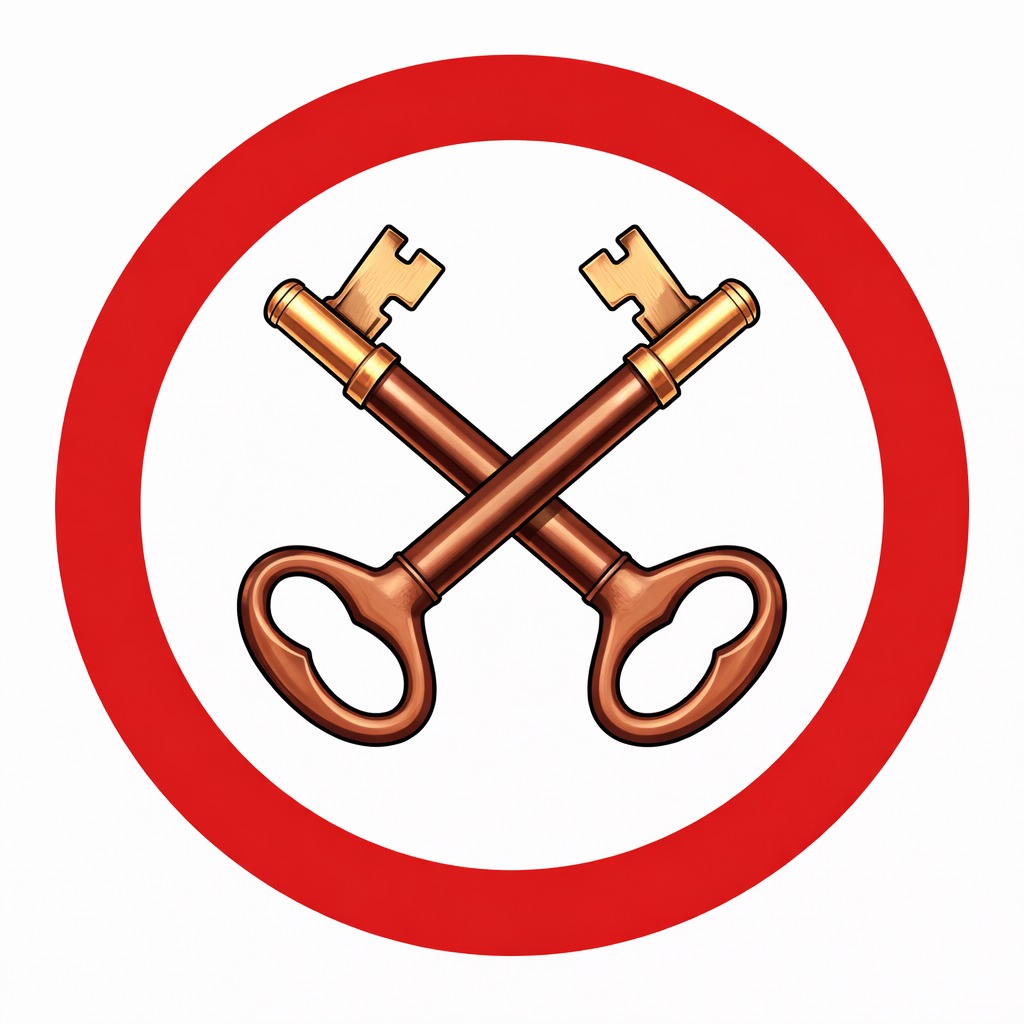
The Crossed Key
The Cross Key represents our traditional role as the gatekeepers of the Nungua State. It is a symbol of our responsibility to guard and protect Nungua.
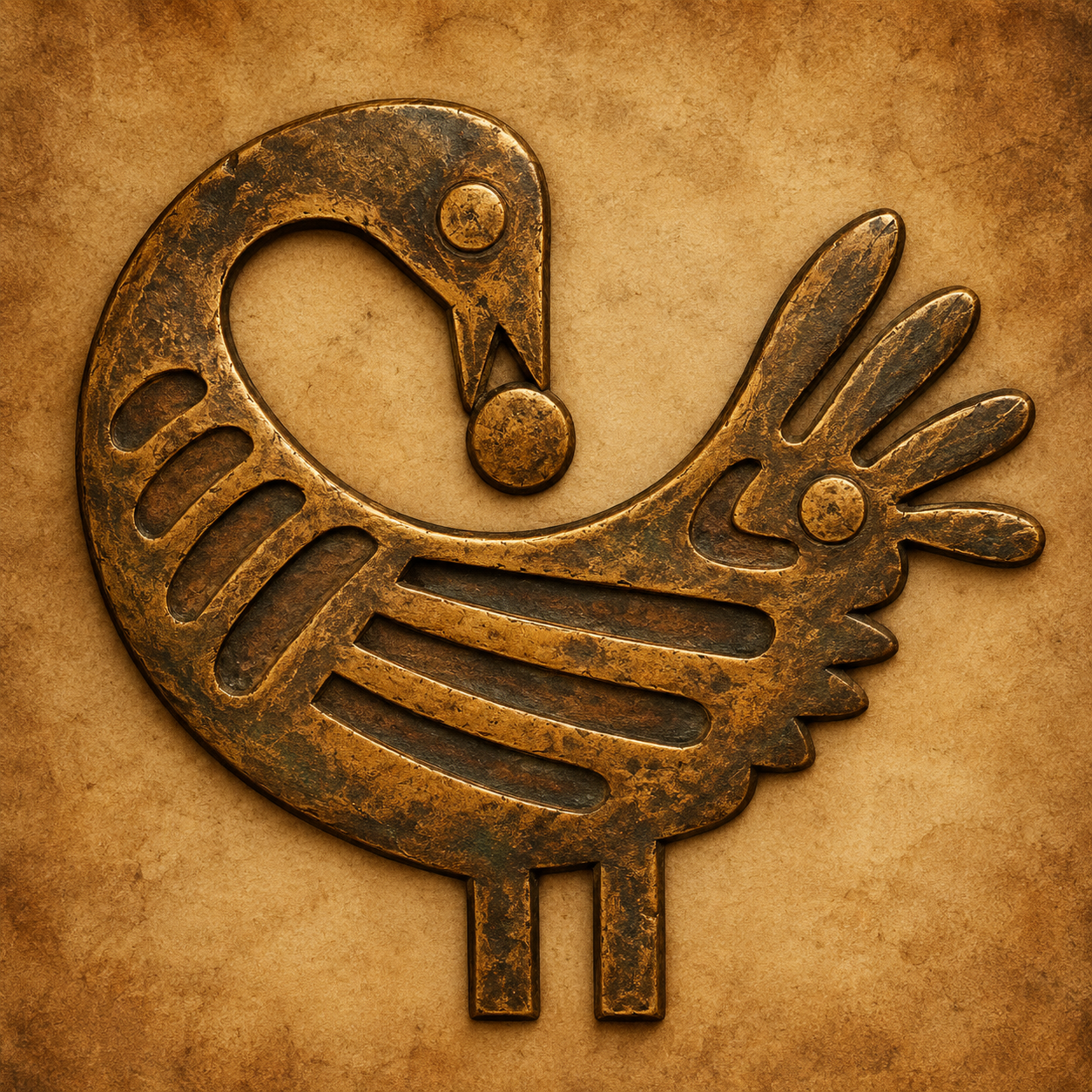
Sankofa
In times of war, our Asafo flagstaff goes ahead to scout and gather information about the enemy. This represents the principle of Sankofa, going forward to seek knowledge and returning with it to guide the people.
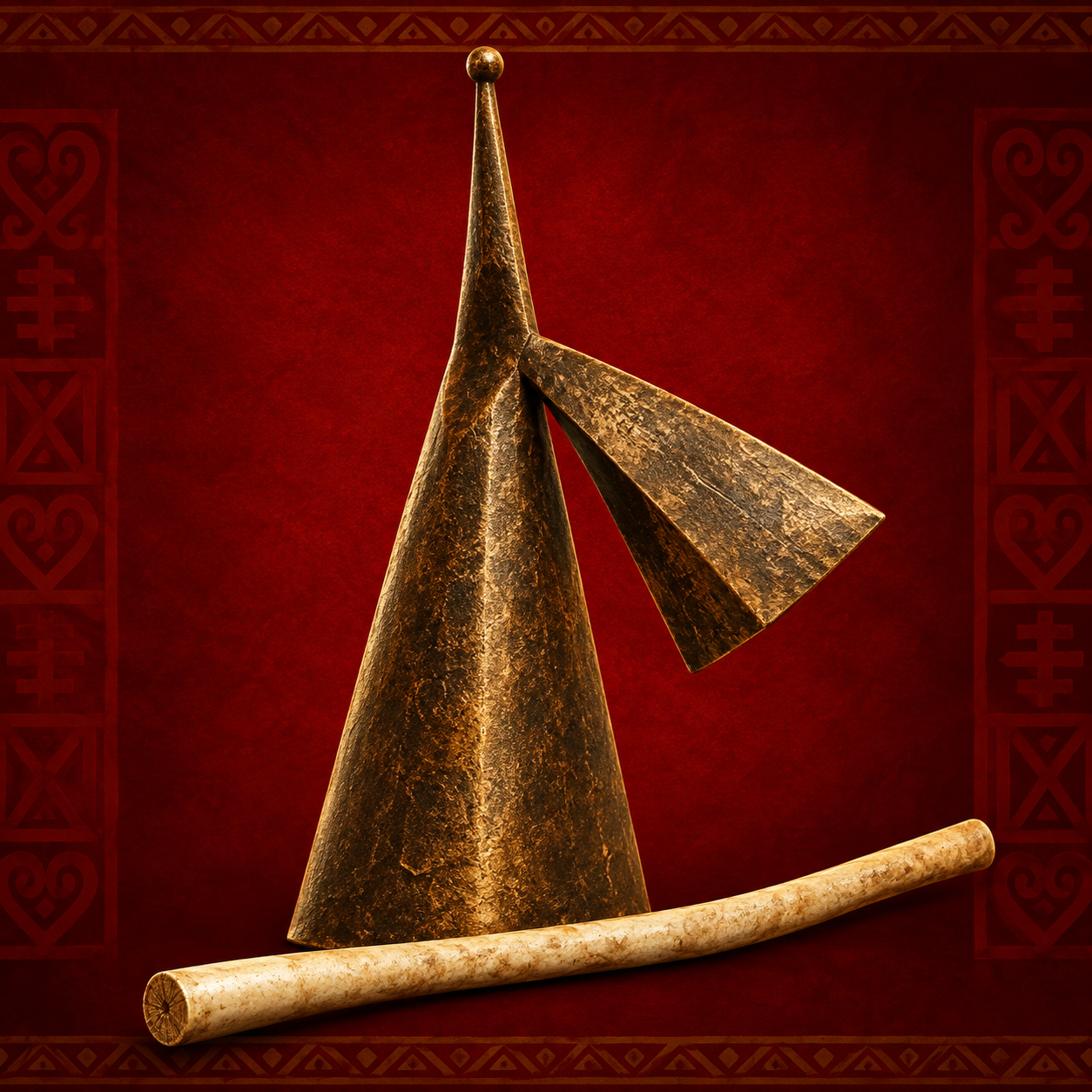
The Tinkon (Double Gong)
Before the Asafo flag moves, the Tinkon, or double gong, is sounded in front of it. Its sound summons the warriors, particularly the Asafoiatsemei, calling them together for action.
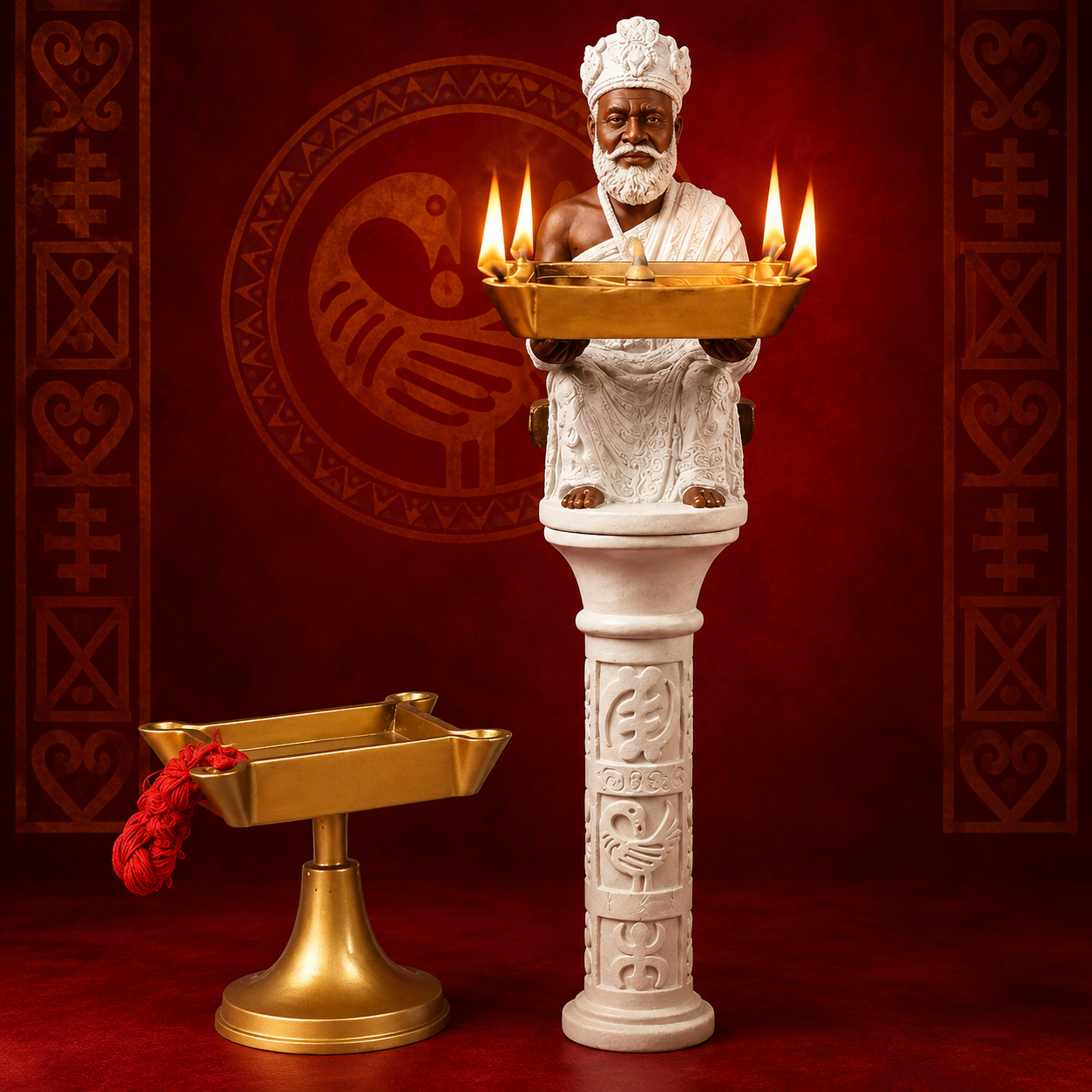
Mutsuru Kane
The Mutsuru Kane has four corners, all of which give light. It symbolises light and guidance for the Nungua State and is also among the sacred items associated with Nuumo Tsawe.
By tradition, only members of Nii Tettey Din lineage are permitted to climb the Asafo flagstaff.
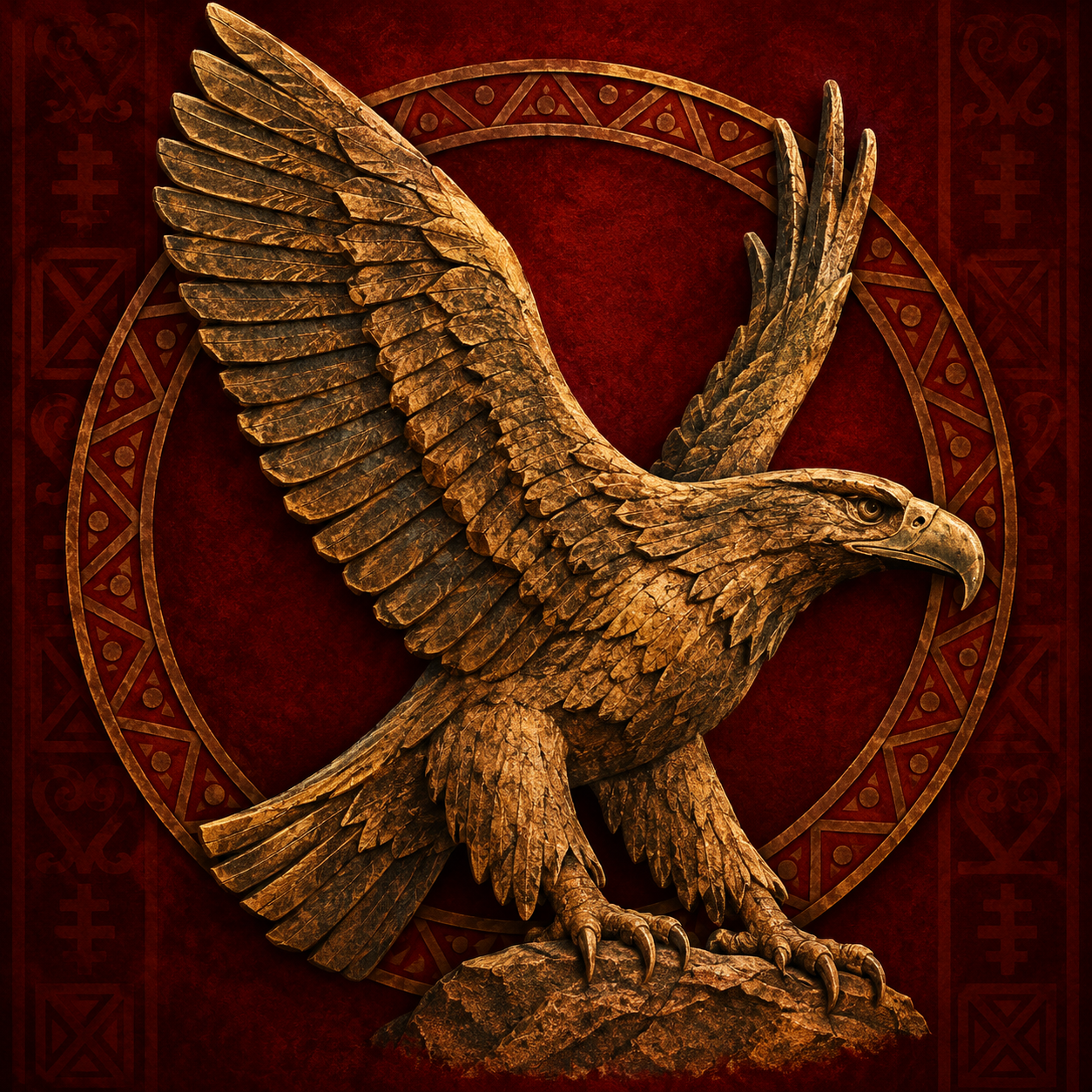
The Eagle (Okropon)
The Eagle, Okropon, is known for its powerful sight and ability to see far into the distance. For the Nii Odaiteitse We, it represents foresight, vigilance, and the ability to look ahead, qualities associated with our responsibility to the Nungua State.
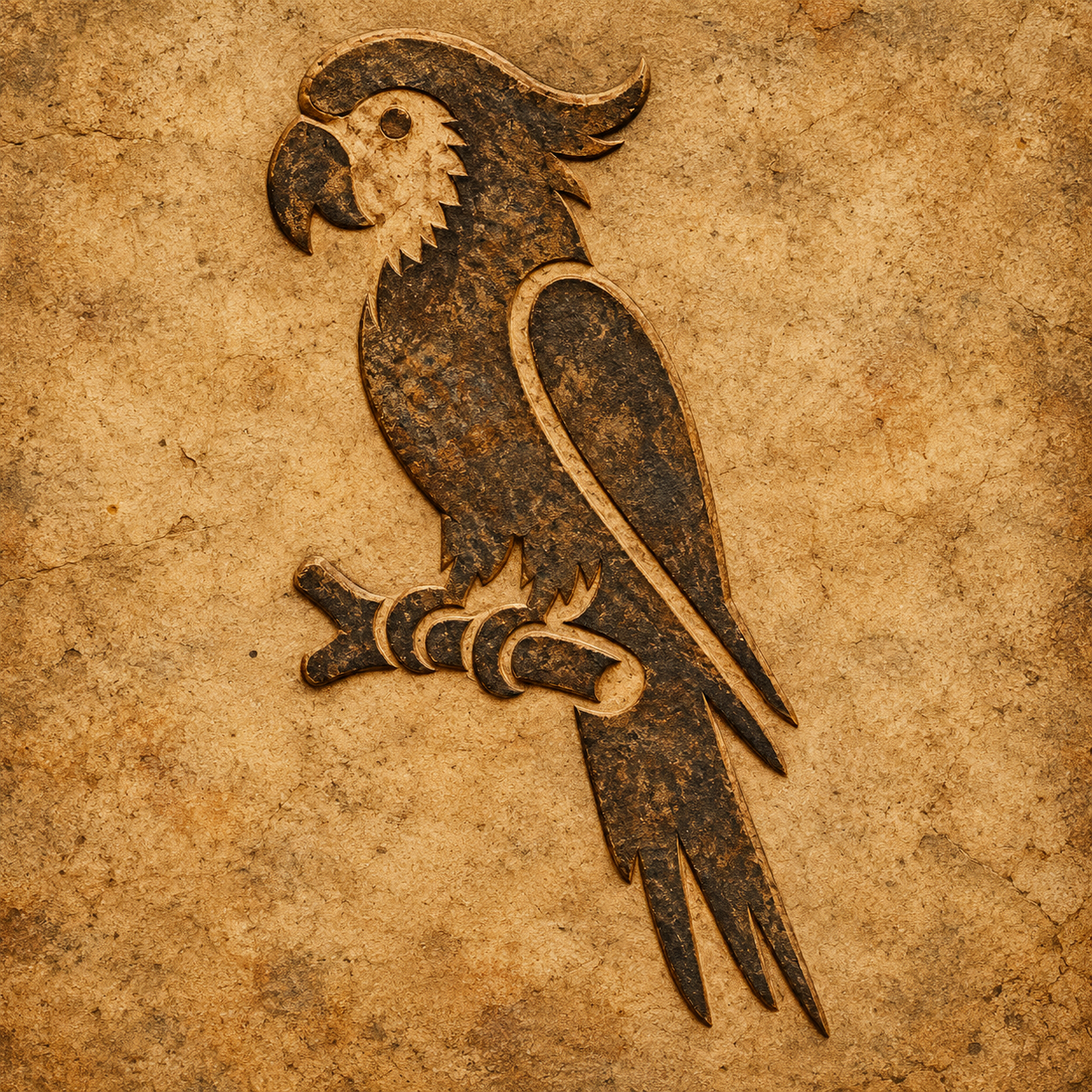
The Parrot (Akoo)
The Parrot, Akoo, represents our role as the mouthpiece of Nungua. As Otsaame (linguists), we are traditionally recognised for eloquence and for conveying messages with clarity and wisdom.
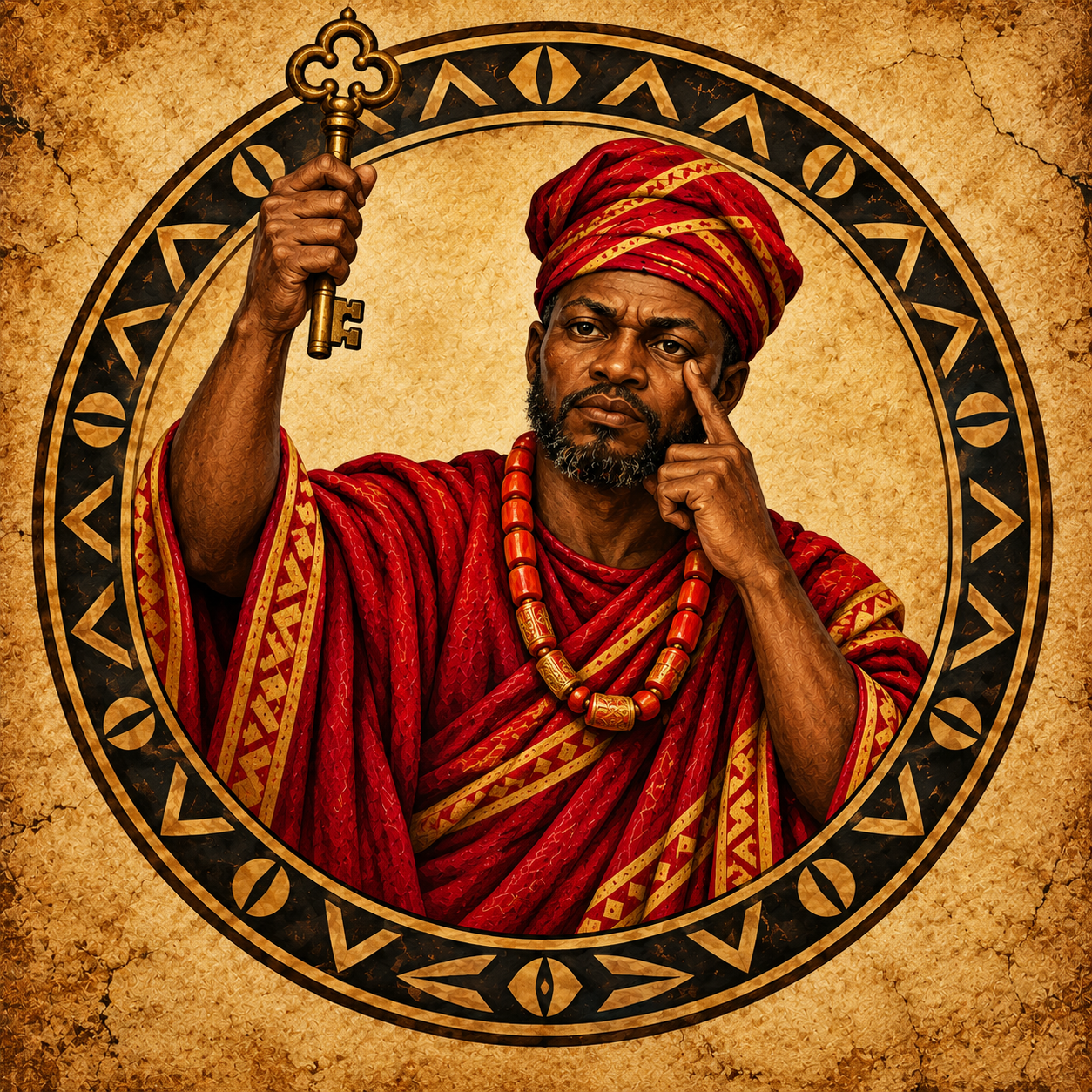
Se Waa Hu
Se Waa Hu depicts a figure holding a key in one hand, with the other hand resting on his cheek. It conveys the message:
“We warned you; we informed you, but you did not listen.”
The symbol reflects the importance of warning, counsel and paying attention to wisdom before taking action.
Se Waa Hu
Se Waa Hu depicts a figure holding a key in one hand, with the other hand resting on his cheek. It conveys the message:
“We warned you; we informed you, but you did not listen.”
The symbol reflects the importance of warning, counsel and paying attention to wisdom before taking action.
Se Waa Hu
Se Waa Hu depicts a figure holding a key in one hand, with the other hand resting on his cheek. It conveys the message:
“We warned you; we informed you, but you did not listen.”
The symbol reflects the importance of warning, counsel and paying attention to wisdom before taking action.
Be Part of the Story
The Story of Nungua Nii Odaiteitse We is still being written – by you, by your children, and by every family member who chooses to show up, contribute, and carry the legacy forward.